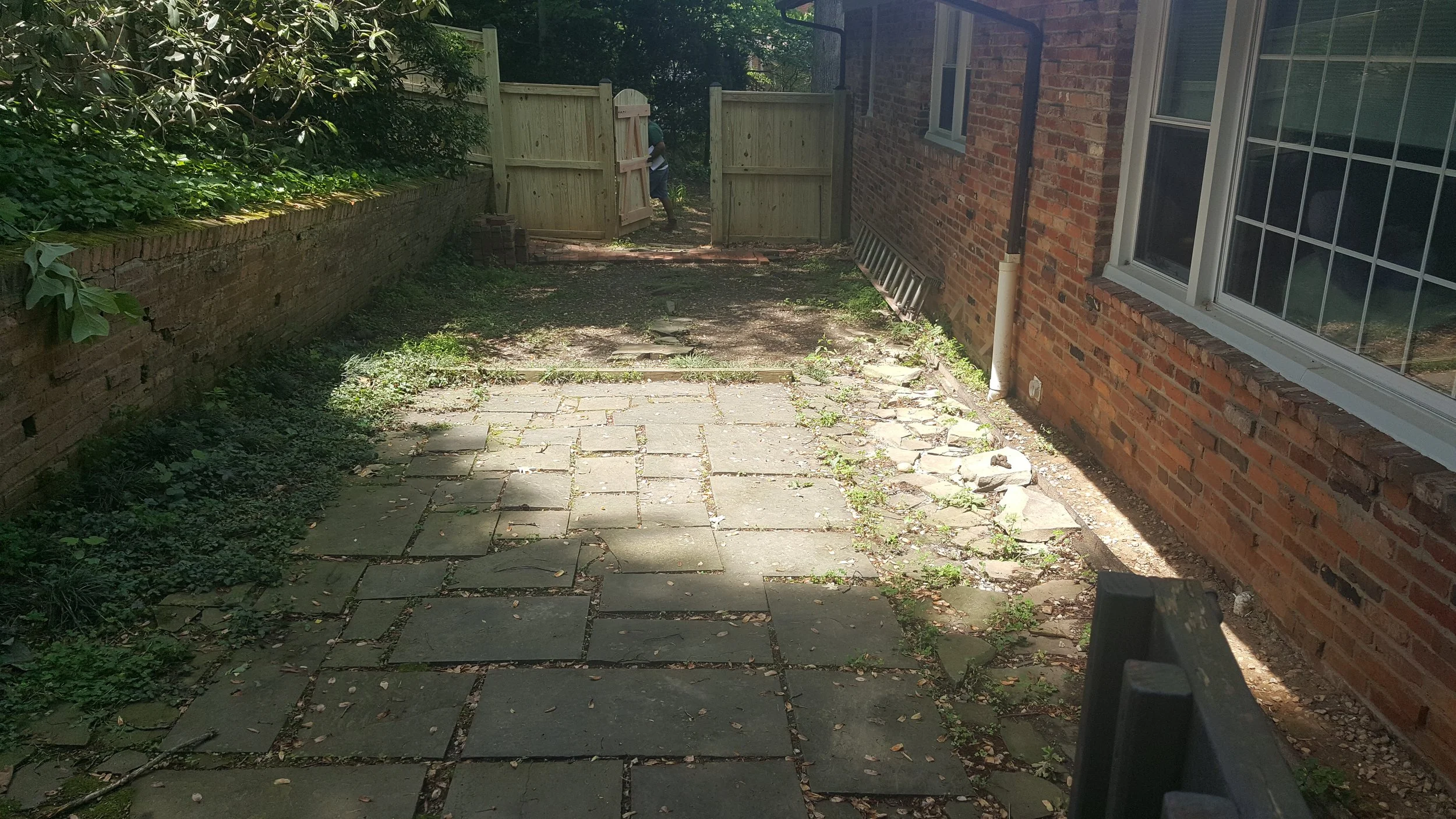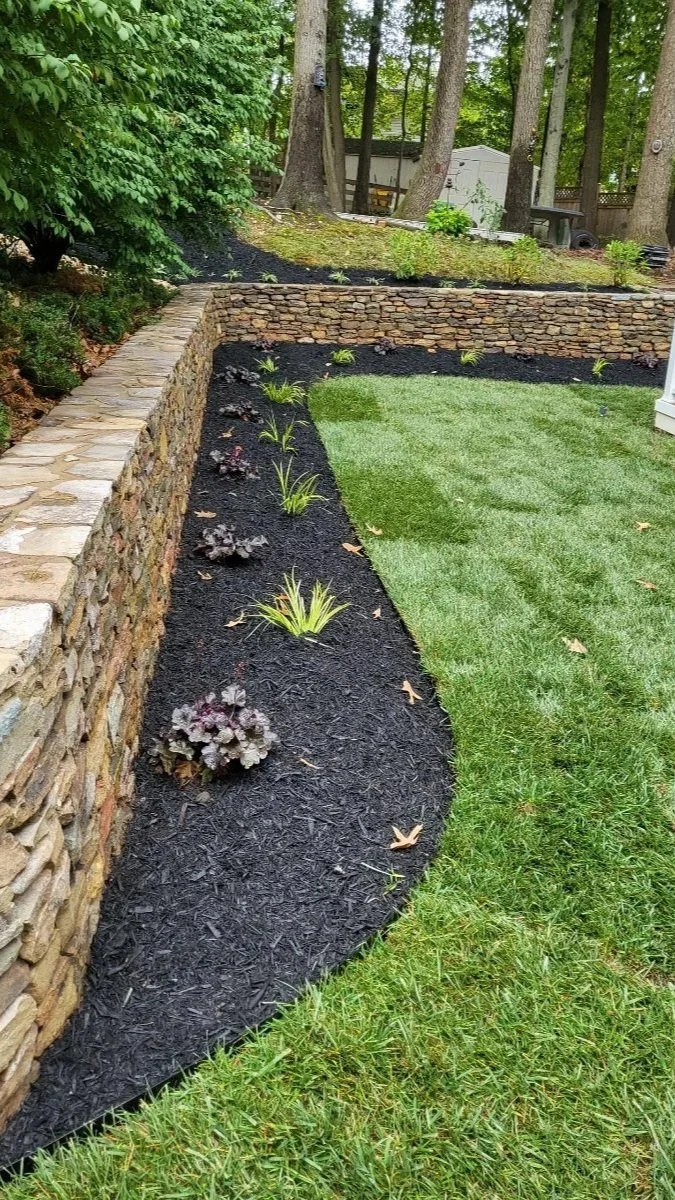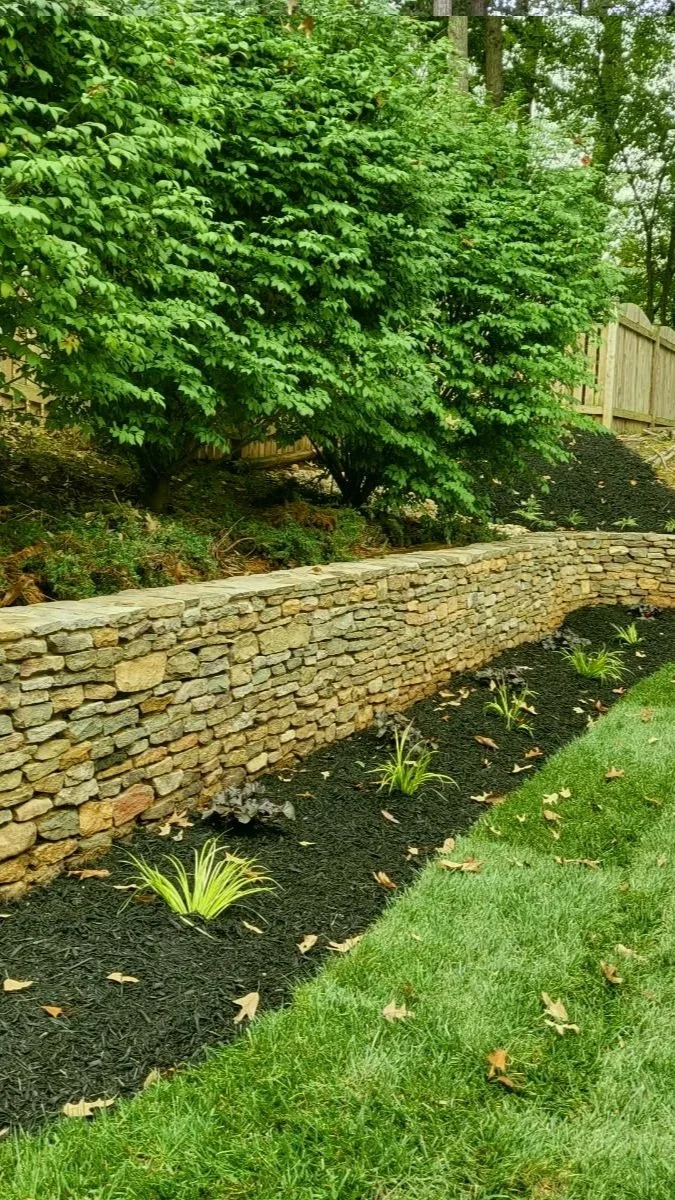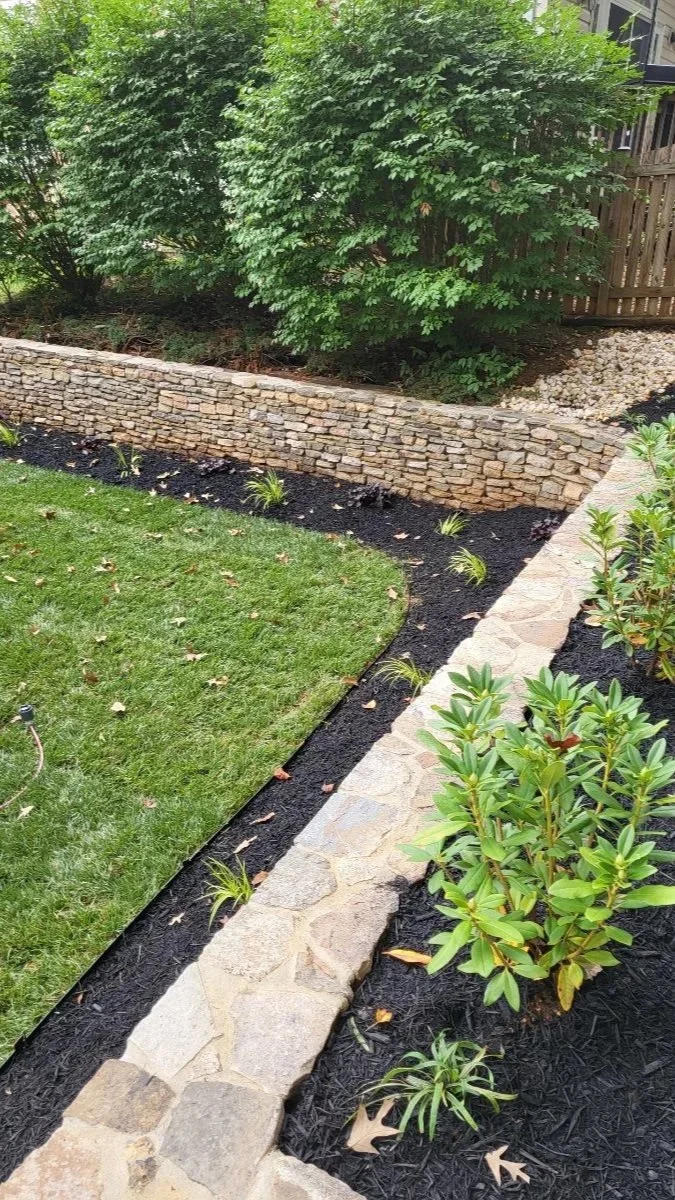

Water is patient. Given enough time, it finds every crack, seam, and weak spot in your foundation — and here in Northern Virginia, our clay-heavy soil and steady rain give it plenty of chances. If you've noticed damp basement walls, a musty smell, or hairline cracks that keep coming back, your foundation is trying to tell you something. The good news? You have real options, and the right one depends on your home, your soil, and how the water is getting in.
We work with foundations across Alexandria, Arlington, McLean, Fairfax, Springfield, Lorton, and Burke, and we've seen what our region's wet ground can do to a wall left unprotected. Below, we'll walk you through the main types of waterproofing for foundation walls — in plain language — so you can make a confident, informed decision about protecting your biggest investment.
Exterior Waterproofing: Stopping Water at the Source
Exterior waterproofing is the most thorough approach, and it does exactly what the name suggests — it blocks water before it ever reaches your foundation. To do it right, we excavate the soil around the foundation down to the footing, clean the wall, and apply a waterproof membrane or coating. This creates a barrier that seals out moisture and keeps hydrostatic pressure from pushing water through the concrete.
Because it addresses the problem from the outside in, this method is the gold standard for homes with persistent water intrusion. It's a bigger project, yes — but it's also the most permanent. We often pair it with proper drainage, like a footing drain or French drain, so any water that collects gets carried away from your home instead of pooling against the wall. When you fix the cause instead of chasing the symptoms, you stop repeating the same repair every few years.
Interior Waterproofing: Managing Water That Gets Inside
Sometimes digging out the entire perimeter isn't practical — maybe there's a patio, a driveway, or mature landscaping in the way. That's where interior waterproofing comes in. Instead of blocking water at the source, this method manages the water that makes its way inside and gives it a clear path out.
A common interior approach uses a drainage channel installed along the base of your basement walls, tied to a sump pump that pumps collected water safely away from the house. We may also apply sealants and waterproof coatings to interior walls to slow moisture and reduce dampness. Interior systems are less invasive and often more budget-friendly, which makes them a smart choice for many homeowners. They won't stop water from touching the wall the way an exterior system does — but they will keep your basement dry, protect your belongings, and cut down on that musty, humid feeling that never quite goes away.
Crack Injection and Sealants: Targeting Specific Problem Spots
Not every foundation needs a full-scale system. If your issue is a single leaking crack in a poured concrete wall, crack injection is often the most direct fix. We inject epoxy or polyurethane resin directly into the crack, filling it from front to back. Epoxy restores structural strength, while polyurethane expands to seal out water — and we choose based on what your wall actually needs.
Surface sealants and waterproof coatings play a supporting role, too. Applied to concrete or masonry walls, they resist moisture and buy you protection against minor seepage and humidity. These targeted repairs are affordable and fast, but honesty matters here: a sealant won't cure a serious drainage problem or a wall under heavy water pressure. The trick is knowing which method your foundation genuinely needs — and that's exactly the kind of honest evaluation we bring to every job. If you're weighing your options for foundation repair in Northern Virginia, we'll tell you straight what will actually solve the problem, not just what sells.
Choosing the Right Protection for Your Home
There's no one-size-fits-all answer to foundation waterproofing. Exterior systems stop water at the source. Interior systems manage it once it's inside. Crack injection and sealants handle smaller, specific issues. The best choice comes down to how water is entering, the condition of your walls, and the soil and grading around your property — and often, the smartest plan combines more than one method.
That's where a trustworthy evaluation makes all the difference. We assess your foundation, your drainage, and your soil, then give you a clear, honest proposal — no salesperson, no pressure, and no subcontractors. Our owners, Deborah and Gerardo, personally oversee every project from start to finish, so the people who plan your waterproofing are the same people who do the work. Protecting your foundation protects everything above it. Do it once, do it right, and you can stop worrying about what the next heavy rain will bring.
Frequently Asked Questions About Waterproofing and Foundation Repair
How do I know if my foundation needs waterproofing?
Watch for the telltale signs: damp or discolored basement walls, a musty smell, efflorescence (that white, chalky residue on concrete), pooling water after rain, or cracks that keep returning. Any of these means water is finding a way in. The sooner you address it, the less damage it causes — and the more affordable the fix tends to be.
What's the difference between waterproofing and damp-proofing?
Damp-proofing resists soil moisture and slows dampness, but it isn't built to hold back active water pressure. Waterproofing goes further — it actively blocks water and stands up to the hydrostatic pressure that builds against your foundation after heavy rain. In our wet Northern Virginia soil, true waterproofing is usually the safer investment for lasting protection.
Is exterior waterproofing worth the extra cost?
For homes with ongoing water intrusion, it often is. Exterior waterproofing stops water at the source, which means you're solving the root problem instead of managing it year after year. That said, interior systems and targeted repairs are the right call for many homes. We'll evaluate your specific situation and recommend the approach that actually fits — not the most expensive one.
Can foundation cracks be repaired without replacing the wall?
In most cases, yes. Many cracks can be sealed with epoxy or polyurethane injection that fills the gap and restores the wall's integrity. Full replacement is rare and reserved for serious structural failure. We always start with an honest assessment so you know exactly what your wall needs — and what it doesn't.
Do you use subcontractors for foundation work?
Never. All of our foundation, waterproofing, and drainage work is done by our own dedicated team, with our owners overseeing every project personally. When you hire us, you're working directly with the people doing the work — from the first evaluation to the final detail.
We're Green Lady Masonry & Drainage Solutions, a woman-owned masonry and drainage company proudly serving homeowners across Northern Virginia, including Alexandria, Arlington, McLean, Fairfax, Springfield, Lorton, and Burke. From waterproofing and foundation repair to French drains and stonework, we handle your project with honest guidance, eco-friendly practices, and no subcontractors. Get started today!