

WATERPROOFING & FOUNDATION REPAIR
Wet Basement? Fix it at the source!
Stop Water Where It Enters—Not Where It Pools
Northern Virginia basements don't stay dry by accident. Between our heavy clay soil that holds water like a sponge, seasonal rainfall that can drop inches in hours, and groundwater tables that fluctuate dramatically, your foundation faces constant hydrostatic pressure trying to force moisture inside.
That musty smell in your basement? It's not just unpleasant—it's mold growing because water is infiltrating your foundation. Those white mineral deposits on your basement walls? That's efflorescence, proof that water is moving through your concrete or block, carrying dissolved minerals with it. The damp spots that appear after heavy rain? They're showing you exactly where your foundation is failing to keep water out.
Most contractors want to solve your wet basement from inside—installing sump pumps, interior drainage channels, and dehumidifiers that manage water after it's already entered your home. That's not fixing the problem. That's admitting defeat and trying to bail out a sinking boat instead of patching the hull.
At Green Lady Masonry & Drainage Solutions, we fix foundation water problems where they actually start—on the exterior, where water meets your foundation walls. We understand how Northern Virginia's soil and weather create the conditions for basement moisture. We know where foundations typically fail and why. And we've spent decades solving these problems permanently by stopping water before it gets inside.
Whether you're dealing with persistent dampness, active water seepage, foundation cracks that are letting moisture through, or full-blown flooding during heavy rains—we deliver solutions that address root causes instead of just managing symptoms.
FOUNDATION REPAIR PORTFOLIO
Explore our portfolio to see how we've solved foundation waterproofing challenges across Northern Virginia. From comprehensive exterior waterproofing systems that keep basements permanently dry to foundation crack repairs that stop active water infiltration, each project demonstrates our commitment to solving problems at their source rather than managing symptoms. These installations prove what's possible when you address water before it enters your home.


Maintenance and Long-Term Performance
Properly waterproofed foundations require minimal maintenance, but attention to a few key areas keeps them performing reliably for decades.
Surface drainage demands ongoing attention. Maintain positive grading away from your foundation—settling can reverse slopes over time. Keep gutters clean and ensure downspouts discharge well away from your house, not next to foundation walls. Monitor for any low spots where water can pool against your foundation. Most basement water problems we solve started with grading that was allowed to deteriorate and downspouts that flow against the sides of the house.
Seasonal inspection prevents problems. After major storms, check basement walls for any new dampness or active water entry. Before winter, ensure all drainage exits are clear and functional. During spring thaw, monitor for any signs of water infiltration as frozen ground releases stored moisture. Catching small issues early prevents them from becoming expensive emergencies.
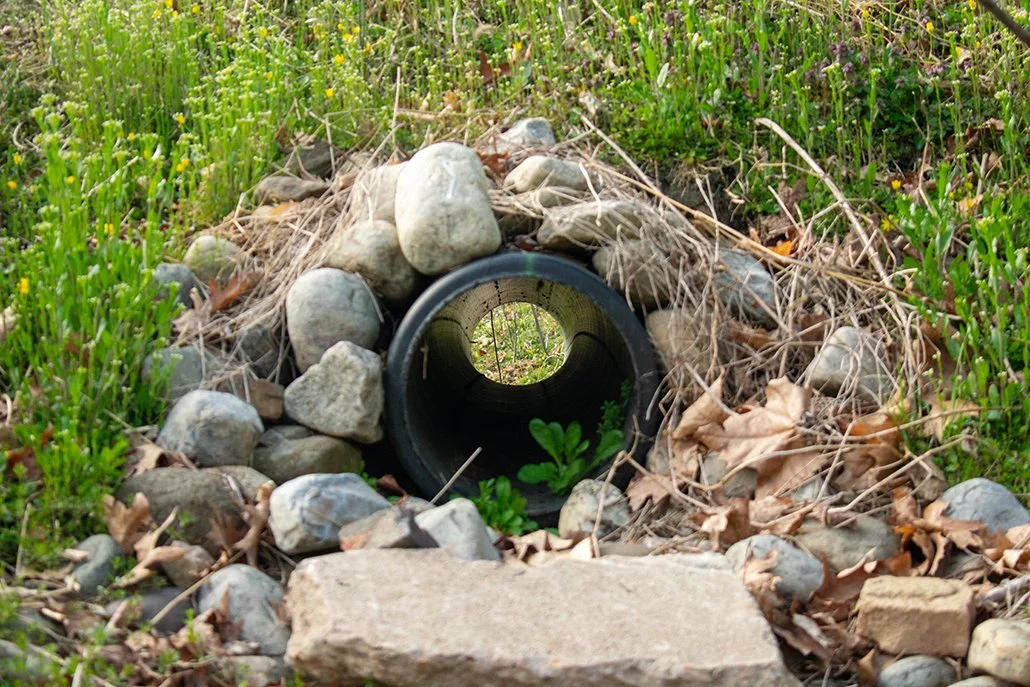
Drainage systems need periodic verification. Every few years, verify that your system is still discharging properly. Look for standing water in discharge areas after heavy rain. If your basement starts feeling damp when it didn't before, drainage system problems are the likely cause.
Foundation crack monitoring matters. Small cracks are normal in concrete. Growing cracks indicate ongoing problems. Take photos of any cracks you notice, with measurements for reference. If cracks widen, lengthen, or start allowing water through, address them promptly. What's minor today can become major if ignored.
Understanding Why Northern Virginia Basements Get Wet

The Real Causes Behind Foundation Water Problems
Basement water doesn't appear mysteriously. It follows predictable paths created by specific conditions—most of them directly related to how water moves around and through your foundation.
Skip understanding these fundamentals, and you end up treating symptoms while the actual problem continues unchecked. Get them right, and you solve water issues permanently while protecting your foundation from ongoing damage.
At Green Lady Masonry & Drainage Solutions, we approach every foundation waterproofing project by identifying the actual water source and pathway. Our comprehensive assessment evaluates:
Grading and surface drainage around your foundation. If soil slopes toward your house instead of away, every rain sends water directly against foundation walls. This is the single most common cause of wet basements—and the most frequently overlooked.
Gutter and downspout discharge locations. Dumping roof runoff next to your foundation puts hundreds of gallons per hour directly where you don't want it. During heavy storms, this concentrated water overwhelms soil absorption and forces its way inside.
Soil composition and drainage characteristics. Northern Virginia's heavy clay doesn't absorb water readily—it sheds water and holds moisture. This creates saturated conditions against foundation walls even days after rain stops.
Groundwater table fluctuations. Our water tables rise significantly during wet seasons. Foundations built without proper drainage systems can sit in seasonally saturated soil for months at a time.
Foundation crack locations and severity. Concrete shrinks as it cures. Clay soil movement creates ongoing stress. The result is cracks that provide pathways for water entry. Not all cracks threaten structural integrity, but they all can let water through.
Failed or inadequate waterproofing systems. Many foundations were built with minimal waterproofing—or with materials that have degraded over decades. What protected your basement in 1985 may be completely ineffective today.
This diagnostic phase isn't optional. It determines whether your solution actually solves your problem—or just masks it temporarily while water continues damaging your foundation.
Comprehensive Exterior Waterproofing Systems
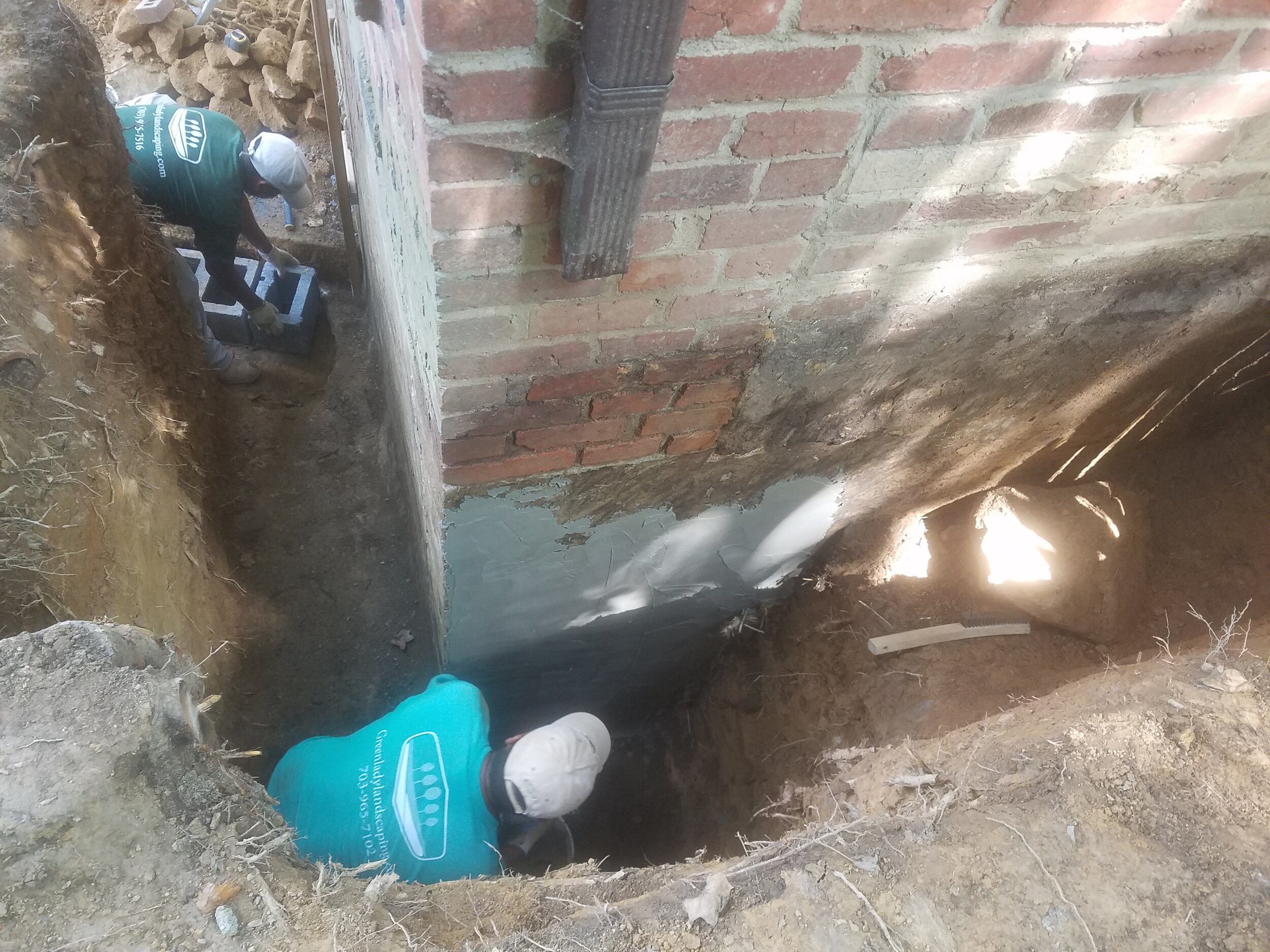
Keeping basements dry requires a complete system that manages exterior water at every point where it could potentially enter. Half-measures fail. Band-aid repairs buy time but don't solve problems. Comprehensive exterior approaches work because they address all water sources simultaneously.
Installing downspout extensions that pull water to the perimeter of your property and exterior foundation waterproofing with appropriate soil grading will solve past and future water intrusion to your home.
Northern Virginia properties need waterproofing systems designed specifically for our conditions. Our clay soil. Seasonal water table fluctuations. Heavy rainfall events. Foundation construction methods common in our region. We've solved these challenges hundreds of times—and we know what actually works long-term.
The Complete Waterproofing Process
Our exterior waterproofing installations follow a comprehensive sequence that addresses every aspect of water management around your foundation.
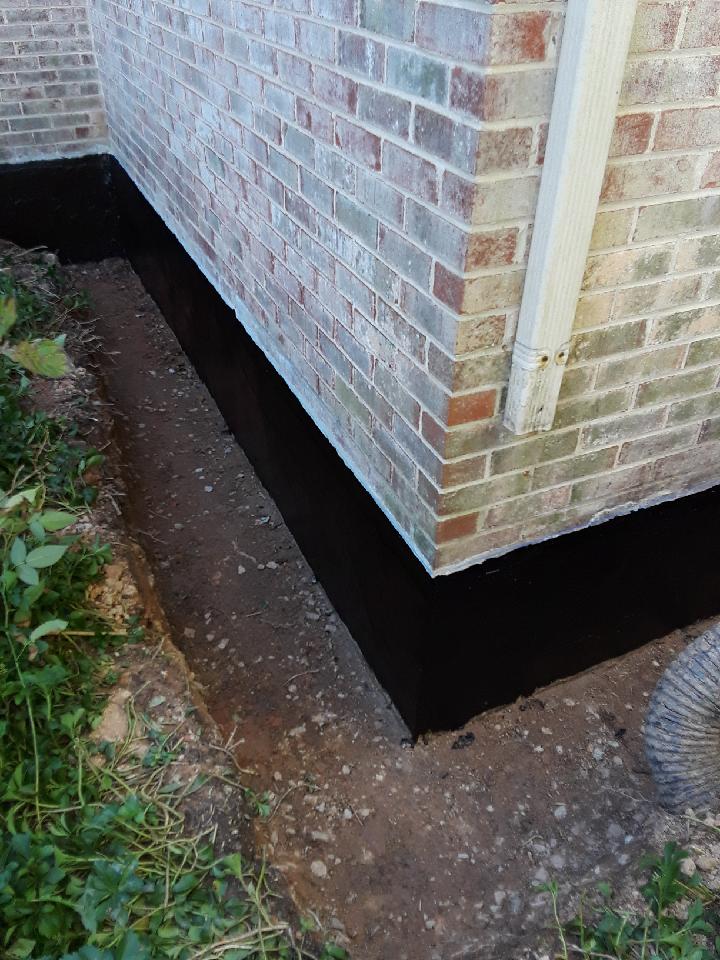
Excavation to expose foundation walls. We dig down to footer level on affected walls, creating access to apply waterproofing materials and install drainage systems. This requires heavy equipment, careful management of utilities, and protection of existing landscape features. The depth and extent depend on your specific foundation depth and problem areas.
Foundation cleaning and preparation. Decades of soil contact and existing failed coatings must be removed before new waterproofing can bond properly. We pressure wash, scrape, and prepare surfaces to accept new materials.
Crack repair and structural assessment. Active cracks get injected with polyurethane or epoxy to create permanent water barriers. Structural cracks may require additional reinforcement. We evaluate every visible crack and address them appropriately before waterproofing installation.
Application of waterproofing membrane. We apply professional-grade waterproofing materials—typically rubberized asphalt membranes or cementitious coatings—that create continuous moisture barriers from footer to grade. These aren't the tar brush-on products sold at home centers. They're engineered systems designed for below-grade applications.
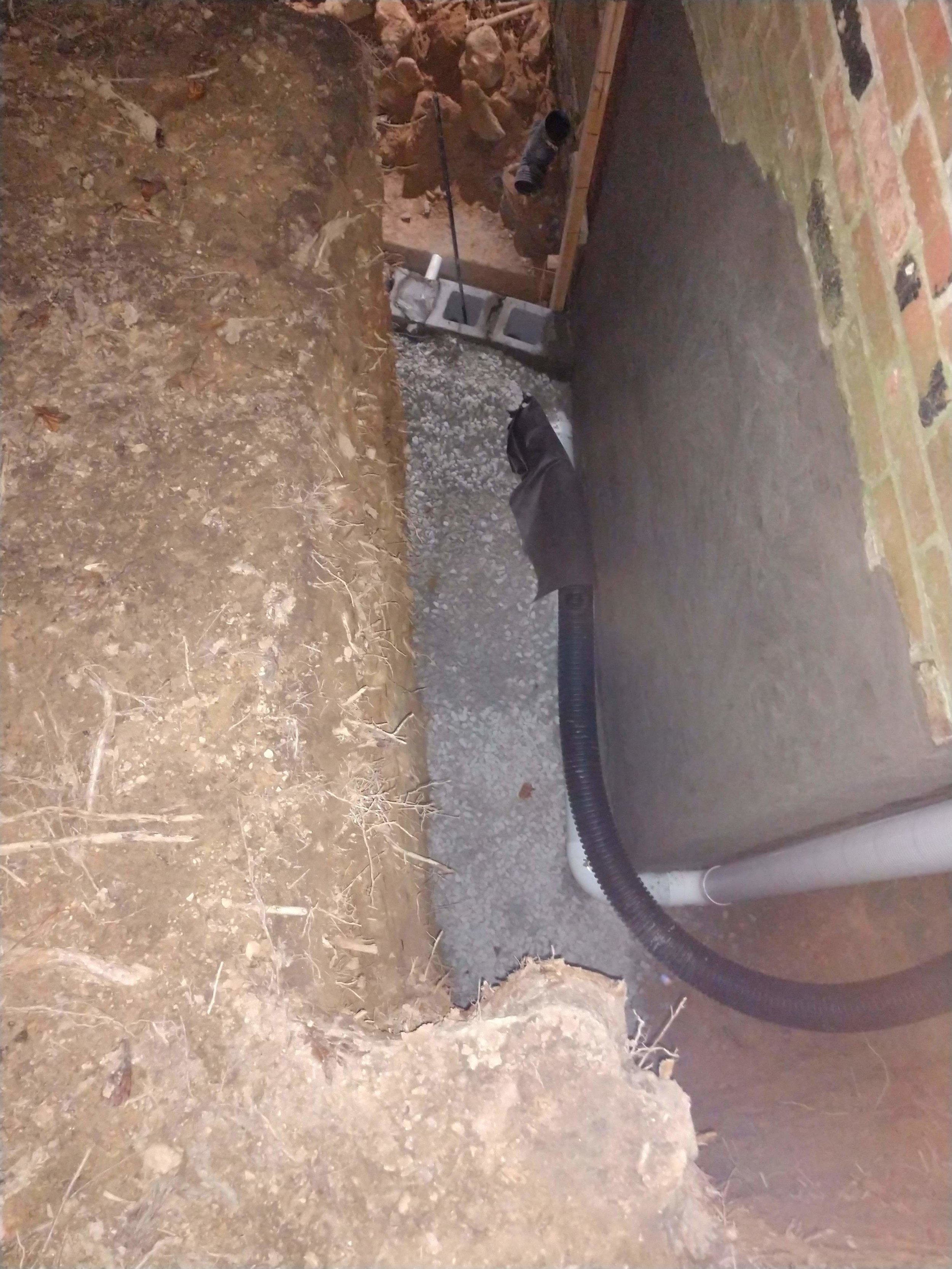
French Drain installation or replacement. New perforated drain pipe gets installed at footer level, surrounded by clean drainage stone and filter fabric. This pipe collects groundwater and carries it deeper into the soil below the foundation before pressure can build against your foundation.
Backfilling with proper materials. Both excavated soil and/or gravel are used to backfill against your foundation. Material selection and compaction methods prevent future settling.
Final grading for surface drainage. Everything finishes with a positive slope away from your foundation, ensuring surface water moves away rather than toward your basement. This seemingly simple step is actually critical—poor final grading undermines even the best waterproofing systems.
This complete approach costs more than interior band-aids or partial exterior work. But it actually solves your water problem instead of just managing it temporarily.
Foundation Crack Repair Solutions
Not all foundation cracks indicate serious structural problems—but they all provide potential pathways for water entry. Addressing them properly depends on understanding what caused them and whether they're actively growing.
Shrinkage Cracks
Most common in poured concrete foundations, these hairline to quarter-inch cracks appear as concrete cures and shrinks. They're not structural concerns but can allow water through. We seal these with polyurethane injection or waterproof epoxy, creating flexible barriers that accommodate minor foundation movement while preventing water infiltration.
Settlement Cracks
When foundations settle unevenly—often due to varying soil conditions or inadequate initial compaction—cracks appear at stress points. These can widen over time if underlying settlement continues. We assess whether settlement is ongoing, address soil conditions if necessary, then seal cracks with appropriate materials. Sometimes this requires additional foundation support before crack sealing makes sense.
Structural Cracks
Wider cracks, horizontal cracks in block walls, or cracks with offset faces can indicate structural stress requiring engineering evaluation. We assess these carefully and recommend appropriate repairs—which might include carbon fiber reinforcement, wall anchoring systems, or other structural solutions before waterproofing work proceeds. Your safety matters more than our project timeline.
Interior vs. Exterior Solutions: Why We Choose Exterior
You'll find contractors eager to install interior drainage systems, sump pumps, and basement waterproofing paint. These approaches have their place—but they're not our first choice for most situations.
Interior systems manage water after it's already penetrated your foundation. They accept ongoing water infiltration and attempt to control it with mechanical systems. They don't stop the water. They don't protect your foundation from ongoing moisture exposure. They don't address the structural damage that has already occurred.
Exterior solutions stop water before it enters. They protect your foundation materials from moisture damage. They reduce hydrostatic pressure of wet soil instead of fighting against it. They solve the problem rather than managing it indefinitely.
The exception: When exterior excavation is impossible due to adjacent structures, paved areas, or property line constraints, interior solutions become necessary. But when exterior access is possible, it's almost always the superior, long-term choice.
The Green Lady Difference in Foundation Work
What makes our foundation waterproofing different from the competition? Green Lady Masonry has residential and commercial construction experience installing new foundations and repairing and/or adding to existing foundations. We are licensed masons and concrete foundation experts. We're willing to do the hard work that interior-only contractors avoid. Excavating for and around foundations is difficult, labor and equipment-intensive, and requires expertise that many contractors lack. It's easier to sell interior systems. But easier isn't better.
Deborah and Gerardo personally assess every foundation project before proposals go out. They're not sending salespeople to your home. They're evaluating your specific situation with decades of hands-on experience. If your problem has a straightforward solution, they'll tell you. If it's complex and expensive, they'll explain why—and what happens if you try cheaper shortcuts.
We're realistic about what works and what doesn't. If interior solutions make more sense for your specific situation, we'll say so. If your water problem has multiple contributing factors, we'll identify all of them—not just the ones that fit into our service offerings. We'd rather give you complete information now than have you call us back in two years because a partial solution didn't work.
Coordinating Waterproofing with Other Services
Foundation waterproofing rarely exists in isolation—it typically connects with other property water management needs. The best solutions integrate seamlessly with exterior drainage systems, grading improvements, retaining walls, and landscape features.
We frequently combine foundation waterproofing with comprehensive drainage solutions to manage water across your entire property, grading work to improve surface water flow, retaining wall construction when excavation reveals slope issues, and patio or walkway installation over newly improved foundations. This integrated approach means your foundation work isn't an isolated fix—it's part of a complete water management system.
Frequently Asked Questions About Foundation Waterproofing
-
Exterior waterproofing makes sense when you have active water infiltration through foundation walls, foundation cracks that are allowing moisture through, inadequate or failed exterior waterproofing from original construction, or when you want to protect your foundation materials rather than just manage water after entry.
Interior solutions work when exterior excavation is impossible due to site constraints, when water problems are limited to floor seepage rather than wall infiltration, or when budget constraints require phased approaches.
We assess your specific situation and recommend what makes sense for your circumstances—not what's easier for us to install.
-
Foundation waterproofing can often be done in sections, especially when water problems are clearly localized to specific walls or areas. However, water follows complex paths underground—wet spots inside don't always align with problem areas outside.
We assess the full perimeter during diagnosis but may recommend starting with the most critical sections. Some homeowners address the worst areas immediately, then handle remaining sections later when budget allows.
-
Typical exterior waterproofing projects take one to two weeks from excavation through final grading and landscape restoration. Timeline depends on foundation perimeter length, depth of excavation required, and weather conditions. You'll have excavation equipment on-site, excavated soil piles during active work, and limited access to affected areas.
We protect existing landscaping where possible but excavation inherently disturbs the immediate foundation perimeter. Most plantings can be replaced; established trees within excavation zones present challenges we address during planning.
We stage work to minimize disruption and restore disturbed areas to better-than-found condition.
-
Several factors can trigger new basement moisture in previously dry homes. Grading settles over decades, reversing slopes that once directed water away. Trees mature and their roots compromise footer drains or create channels for water flow. Original waterproofing materials degrade—what worked for thirty years eventually fails.
Gutters and downspouts deteriorate or get modified, changing roof water discharge patterns. Neighboring property changes alter water flow across your lot. Increased development upstream changes groundwater patterns. And sometimes, you simply experience weather events that exceed what previous conditions tested.
We investigate all of these triggers during assessment to understand what changed and ensure repairs address current conditions.
-
Most foundation cracks should be addressed from the exterior when possible. Exterior crack injection allows us to seal the full depth of the crack and verify repair effectiveness by exposing the entire crack face.
We can assess crack causes better from outside. And exterior sealing integrates with waterproofing membrane application to create complete moisture barriers. Interior-only crack sealing makes sense when exterior access is impossible or when cracks are clearly minor and non-structural.
Some situations benefit from both interior and exterior treatment—exterior for primary sealing and waterproofing, interior for additional moisture control if needed.
-
Yes, we warranty our waterproofing work. Warranty specifics depend on the scope of work, materials used, and your specific project conditions. We discuss warranty coverage during proposal review so you understand exactly what's protected and for how long. Good waterproofing work should last decades—our warranties reflect confidence in our installation quality.
However, warranties have limitations: They don't cover damage from subsequent grading changes, new construction that alters drainage, or normal settling. We explain these details upfront so you have realistic expectations.
Ready to Solve Your Basement Water Problems Permanently?
Contact Green Lady Masonry & Drainage Solutions today for your free assessment. We'll evaluate your foundation, identify water sources and pathways, discuss solution options, and provide honest recommendations about the best approach for your specific situation and budget. No pressure, no sales tactics—just straightforward expertise from local contractors who've been solving Northern Virginia's foundation water problems for decades.
Whether you're dealing with chronic dampness, active seepage, or just want to protect your basement before problems develop, we'll deliver solutions that work.
A dry basement isn't luxury—it's what proper foundation waterproofing provides.
Call us at (703) 975-7516 or fill out our contact form to schedule your assessment. Let's talk about keeping your basement dry and protecting your foundation investment.