
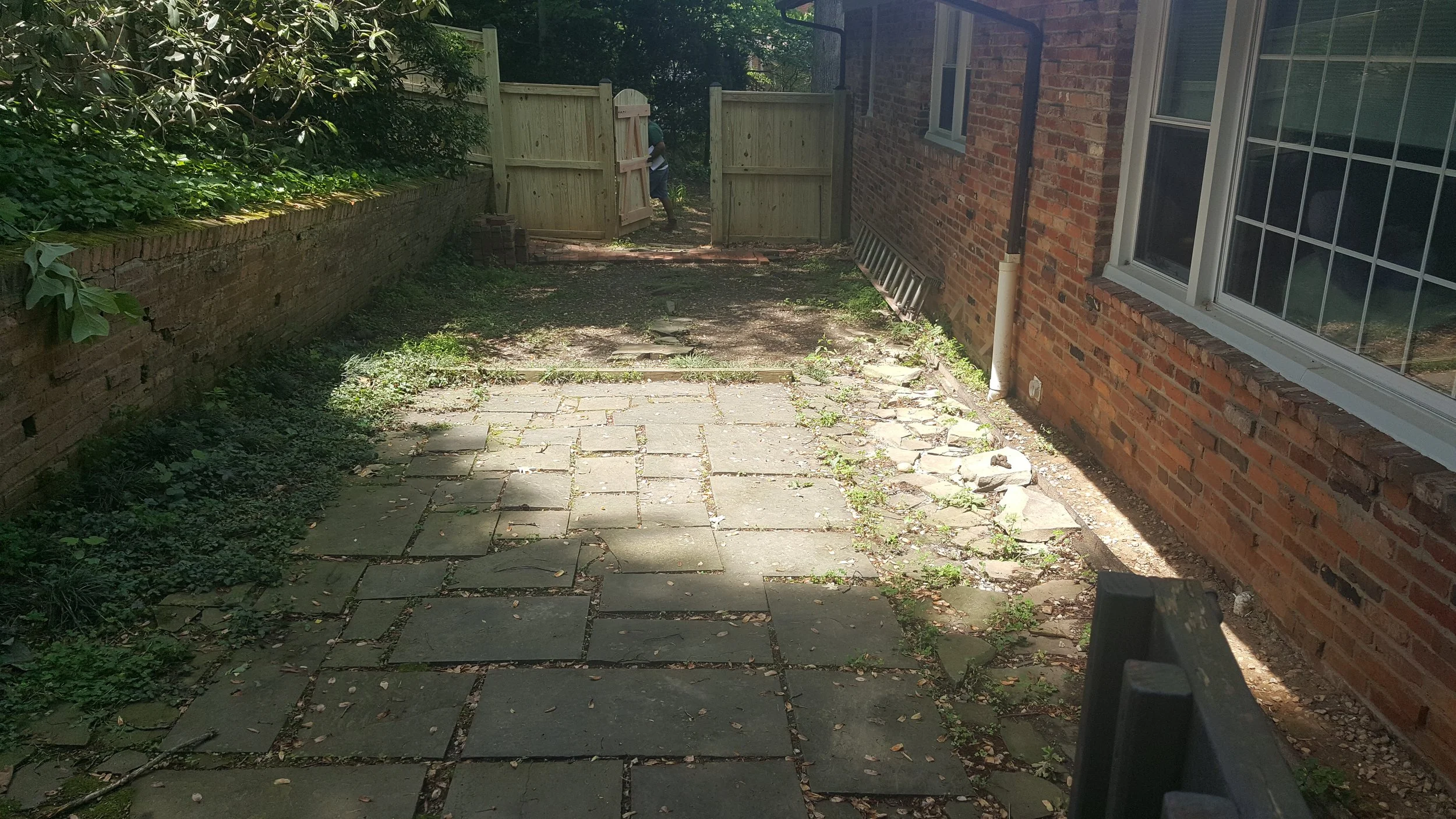
Many property owners focus on the new retaining wall, patio, drainage system, or outdoor improvement they want installed. But the real success of that project often starts before the installation begins. If the yard is uneven, overgrown, blocked by old concrete, or full of unwanted materials, the next phase becomes harder than it should be.
We have seen what happens when site preparation is skipped or rushed. Drainage problems remain hidden, soil does not compact properly, and new work may be installed on a surface that is not ready to support it. When the property is cleared, excavated, graded, and prepared the right way, the project starts on stronger ground.
If you are preparing for a retaining wall, patio, drainage repair, or other exterior improvement, these are the steps we recommend before installation begins.
Start With Access, Site Conditions, and a Clear Work Plan
Before excavation or removal begins, you need to understand what is on the property and what needs to change. Northern Virginia yards often have slopes, clay-heavy soil, drainage issues, old patios, buried stone, thick roots, invasive plants, and areas where water collects. If these conditions are not reviewed early, the project can become more complicated once the equipment is already on site.
We recommend confirming a few basics early:
Access. Make sure there is a clear path for equipment, wheelbarrows, hauling, and material delivery.
Work area. Identify the exact section of the yard that needs clearing, excavation, or grading.
Unwanted materials. Note old concrete, stone, brick, pavers, rotted wood, debris, or small structures that need removal.
Plant removal. Mark shrubs, invasive plants, poison ivy, grass, roots, or natural materials that should be removed.
Drainage concerns. Look for low spots, standing water, soft soil, erosion, or areas where runoff moves toward the house.
Final grade. Decide how the ground should be shaped so the new project has a stable, properly drained base.
This planning stage helps avoid guesswork and unexpected costs. It gives the crew a clear understanding of what should be removed, what should stay, and how the land should be shaped for the next phase. A simple takeaway: good yard preparation starts with knowing the site before moving the soil.
Remove What Is in the Way and Protect What Should Stay
Many outdoor projects fail because the surface underneath was not prepared correctly. A retaining wall, patio, walkway, drainage system, or planting area needs a clean and stable base. That often means removing old materials before any new installation begins.
This type of work is not the same as tearing down a full house or handling a major demolition project. It is more selective and property-focused. The goal is to remove what no longer belongs, clear the space, and prepare the ground for a better outdoor solution.
Common items that may need to be removed include:
Small sheds or minor yard structures
Old patios, walkways, or flat concrete areas
Broken pavers, brick, stone, or loose hardscape materials
Shrubs, brush, grass, weeds, and invasive plants
Trees, shrubs,Poison ivy and overgrown natural material
Unwanted soil piles, rock, roots, or yard debris
Materials left behind from older landscape or drainage work
We suggest walking the property before work begins and deciding what should be saved. If there are plants, fences, trees, utilities, irrigation lines, or hardscape features you want to keep, they should be marked clearly. This is especially important when excavation happens near driveways, foundations, retaining walls, drainage paths, or neighboring property lines.
It also helps to think about how equipment will move through the yard. Small machinery and hauling equipment still need room to work safely. If the access path is blocked by furniture, parked items, stacked materials, or overgrown brush, the job slows down. We like to keep this part simple: clear the work zone, protect what stays, and give the crew enough room to prepare the site correctly.
Plan for Excavation, Earth-Moving, and Soil Grading
Once unwanted materials are removed, the next step is shaping the land. This is where excavation and grading become important. The goal is not just to make the area look cleaner. The goal is to create a surface that can support the new work and move water in the right direction.
For many Northern Virginia properties, this may include cutting into a slope, moving soil, leveling an uneven area, or building up a section that has settled. It may also include removing soft or unstable material so the base can be rebuilt with compacted soil, stone, and drainage support.
A strong excavation and grading plan should cover:
Soil removal. Take out excess soil, roots, organic material, or unstable ground where needed.
Earth-moving. Shift soil to create the correct shape, height, or slope for the project.
Rough grading. Form the land so it supports drainage and provides a workable base.
Compaction. Compact the soil so it is firm enough for the next installation step.
Drainage prep. Prepare space for underground drainage, stone base, pipe, or water control systems.
Material hauling. Remove soil, concrete, plants, stone, and other debris for proper disposal.
This step matters because water always finds the easiest path. If the yard is graded the wrong way, water may collect near the foundation, wash behind a retaining wall, settle under a patio, or create muddy areas in the lawn. Good grading helps prevent those problems before they start.
The main idea is simple: removal clears the space, but grading prepares the space. If the soil is shaped and compacted properly, the next project has a much better chance of lasting.
Prepare the Site for Drainage Before Installation Begins
Drainage should never be treated as an afterthought. In many outdoor projects, drainage is what protects the investment. A retaining wall needs water management behind it. A patio needs a stable base that does not hold water. A yard with poor runoff may need underground drainage before any new surface is installed.
Before installation begins, the property should be reviewed for where water comes from, where it travels, and where it should go. This may include roof runoff, downspout discharge, slope drainage, low yard areas, and water moving from neighboring properties.
Drainage preparation may include:
Creating a proper slope away from the home
Preparing trenches for an underground drainage pipe
Adding a stone base where water needs to move
Planning discharge points for collected water
Reducing low spots where water sits
Preparing the soil for future hardscape or wall installation
This is also why compacted soil matters. Loose soil can settle after the project is complete. When that happens, patios may dip, drainage lines may shift, and water may start collecting in places where it should not. A properly prepared site gives the new project a stronger and more predictable foundation.
Good drainage preparation is not always visible after the work is done, but it is one of the most important parts of the job. The cleaner and better-shaped the base is, the easier it is to install exterior improvements that perform well over time.
Plan for Cleanup and Proper Disposal Before the First Day of Work
Yard preparation can create more material than many property owners expect. Old concrete, soil, stone, grass, trees, roots, shrubs, invasive plants, poison ivy, and natural debris all need to go somewhere. If there is no cleanup plan from the beginning, the property can be left with piles of material that slow down the next phase.
A strong cleanup plan should cover:
Debris sorting. Separate concrete, soil, stone, plant material, and general debris.
Safe plant handling. Remove poison ivy, invasive plants, and overgrowth carefully.
Haul-away timing. Schedule removal so materials do not sit too long on the property.
Licensed disposal. Take appropriate materials to a licensed landfill or proper disposal location.
Surface cleanup. Remove loose stone, roots, sharp fragments, and leftover debris.
Final review. Walk the area to confirm it is clear, graded, and ready for the next step.
This is where many outdoor projects either start strong or become harder than necessary. A site that is left cluttered or uneven makes installation slower. It can also hide drainage issues, unstable soil, or leftover debris that should have been removed earlier.
We always encourage property owners to think beyond the removal work itself. The goal is not just to take things out. The goal is to leave behind a clean, shaped, compacted, and workable area for the new project.
Get Your Property Ready for What Comes Next
Selective removal and yard excavation can feel like the messy part of an outdoor project, but they are also some of the most important steps. Before you build a retaining wall, install a patio, improve drainage, or redesign part of your yard, the site needs to be properly cleared and prepared.
When you plan for access, removal, excavation, grading, drainage preparation, cleanup, and disposal ahead of time, you reduce stress and avoid costly surprises. That kind of preparation matters. It helps the project move smoothly and gives the finished work a better base from the beginning.
If you want your Northern Virginia property handled with care, it helps to work with professionals who understand soil, drainage, grading, and exterior site conditions. We believe in doing the work the right way, not the rushed way. That means clear communication, careful preparation, and a finished site that is ready for its next purpose.
Frequently Asked Questions
-
We start by reviewing the work area, access points, drainage concerns, and materials that need to be removed. Then we clear the site, protect anything that should stay, and plan how soil, concrete, plants, stone, and debris will be hauled away. Good preparation helps the project stay safer and more efficient.
-
In many cases, yes. Old patios, flat concrete, broken pavers, small structures, and loose hardscape materials can get in the way of proper grading and installation. Removing them first allows the area to be shaped, compacted, and prepared for the new work.
-
Grading controls how the ground is shaped and how water moves across the property. If the soil is uneven or sloped the wrong way, water can collect under patios, behind walls, or near the project or home foundation. Proper grading helps create a stable, well-drained base.
-
These materials are collected, loaded, hauled away, and disposed of properly at a licensed landfill. Some materials, such as poison ivy or invasive plants, need careful handling. A complete site preparation project should leave the area clean, workable, and ready for the next phase.
-
It often should be. Many retaining walls, patios, and yard improvements perform better when drainage is planned before installation. This may include preparing trenches, foundations for retaining walls built with stone or concrete, underground pipe installations, and creation of a proper slope so water can move away from problem areas.
We are Green Lady Masonry & Drainage Solutions, and we proudly serve homeowners and property owners across Northern Virginia with careful, dependable exterior work. We believe clear communication and personal accountability matter, which is why we stay hands-on from start to finish. If you are planning to prepare your property for retaining walls, patios, drainage work, grading, or other outdoor improvements, contact us, and we will be glad to help.
